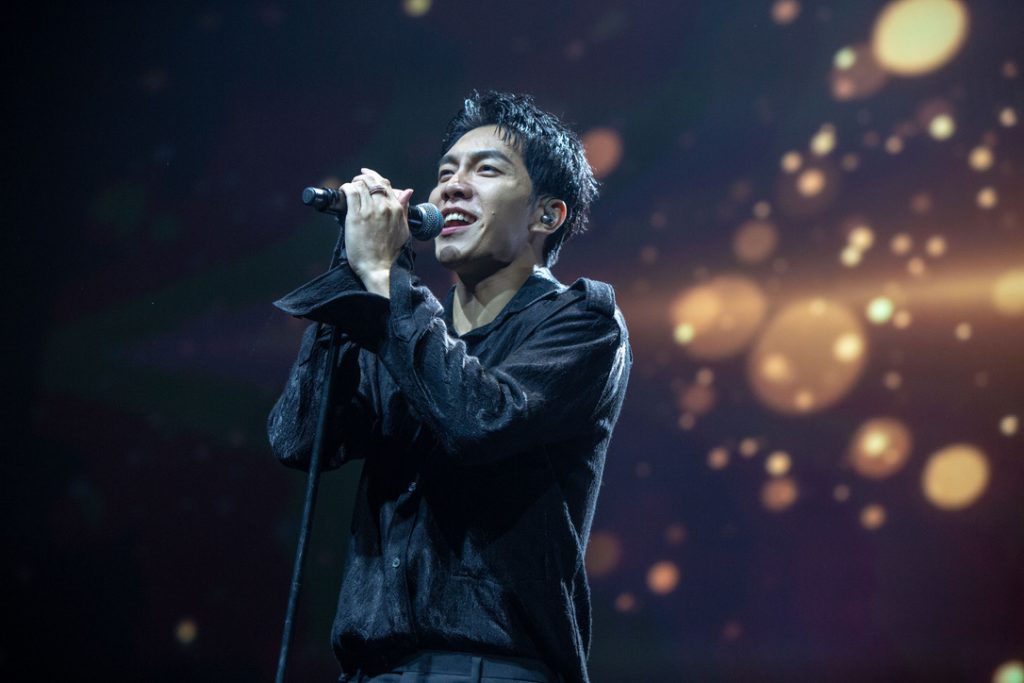
When did brand partnerships stop being endorsements—and start becoming culture?
Not long ago, products derived value from price, prestige, and heritage. Today, that equation has shifted. Products no longer gain value purely through cost or exclusivity; they gain value through visibility, virality, and cultural relevance.
This transformation is being driven by social media, where attention—not price—is the most valuable currency. Brands that succeed are no longer just selling products; they are creating moments that people want to watch, share, and participate in.
The Rise of Culture-Led Branding
Across global markets—particularly in Asia—brands are no longer leading with product features or luxury positioning alone. Instead, they are embedding themselves directly into pop culture through strategic partnerships with K-pop and C-pop artists.
These artists bring more than visibility. They bring highly engaged, emotionally invested fandoms that mobilize instantly, turning brand moments into viral events.
The Evolution Beyond Traditional Ambassadors
This shift goes beyond the traditional ambassador model. The old formula—celebrity face, campaign shoot, seasonal ads—is no longer enough to capture attention or drive cultural relevance.
Today’s most effective partnerships are multidimensional. Artists are no longer just endorsers; they are collaborators, co-creators, and even product designers.
We’re seeing brands expand into:
- Design collaborations — Artists co-create limited collections (e.g., G-Dragon x Nike, Jennie x Gentle Monster)
- Creative direction — Talent shaping campaign visuals, storytelling, and brand identity
- Event and experience integration — Artists anchoring live events, pop-ups, and immersive brand moments
- Content-native partnerships — Campaigns built specifically for TikTok, Douyin, and fan-driven platforms
These deeper collaborations create a stronger sense of ownership and authenticity, making fans feel like they are participating in something—not just being marketed to.
K-pop Partnerships Redefining Marketing
- Jennie (BLACKPINK) — Chanel, Hera, Ray-Ban
- Lisa (BLACKPINK) — Celine, Bulgari
- Jimin (BTS) — Tiffany & Co.
- ENHYPEN — Prada
- DK (SEVENTEEN) — Bally
These collaborations consistently demonstrate how cultural alignment drives both attention and conversion. A single appearance, campaign, or event can generate global reach that far exceeds traditional media spend.
The Power of C-pop and Chinese Talent
C-pop and Chinese actors are proving equally, if not more, influential—particularly within domestic platforms like Douyin, Weibo, and Xiaohongshu.
A standout example is Zhang Linghe’s viral 40-second runway-style walk at the Hunan TV New Year’s Eve Gala. The moment quickly became a cultural flashpoint, generating explosive short-form engagement across Douyin, Weibo, and Xiaohongshu. What made it especially powerful was how the clip moved beyond a single appearance and became meme material, aesthetic edits, and fan-driven content, turning a brief stage moment into a true cultural event.
Separately, Zhang Linghe’s association with Gucci has also drawn strong attention, showing how both live cultural moments and brand partnerships can fuel visibility, conversation, and commercial momentum. With this kind of exposure, Gucci lucked out. Zhang Linghe brings not only star power, but also a highly engaged fanbase and the kind of viral visibility that brands can’t easily manufacture.
Why These Partnerships Work
- Massive reach with built-in engagement — Fandoms amplify content at a scale traditional advertising cannot replicate
- Cultural translation — Artists localize global brands, making them relevant across markets
- Seamless content-to-commerce loop — Viral moments drive immediate search behavior, store visits, and sales
From Advertising to Cultural Participation
At its core, this shift reflects a broader transformation in how brands grow. Traditional advertising interrupts; cultural participation invites.
Companies like JS Concert are operating at the center of this evolution—connecting brands with the right talent and creating cultural moments that bridge entertainment, commerce, and audience engagement.
The Bigger Shift
Social media has permanently reshaped consumer perception of value. The brands that win are not necessarily the most expensive or the most established—they are the most visible, the most shareable, and the most culturally fluent.
The question is no longer whether pop culture influences marketing.
It is whether pop culture—and strategic artist partnerships—have become the most powerful marketing channel of our time.
Ready to turn your brand partnership into a cultural moment?
JS Concert connects brands with the right K-pop and C-pop talent and creates high-impact experiences that drive visibility, engagement, and results.